ECO
Eco Practices at Foley’s School
Building a Sustainable Learning Community – Locally, Nationally & Across Europe
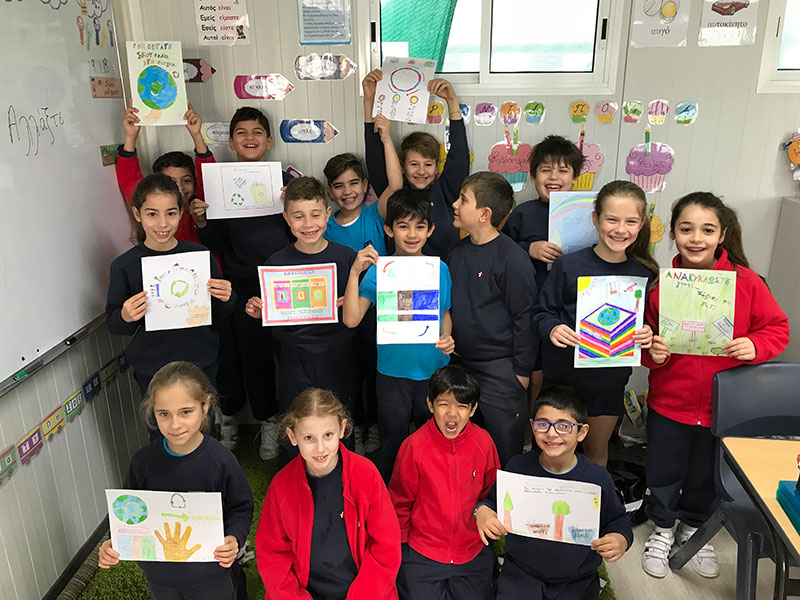
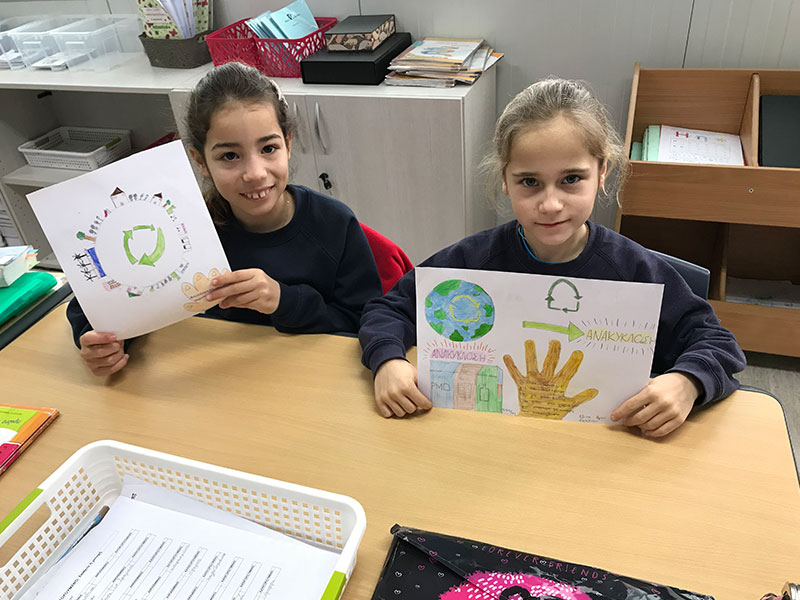
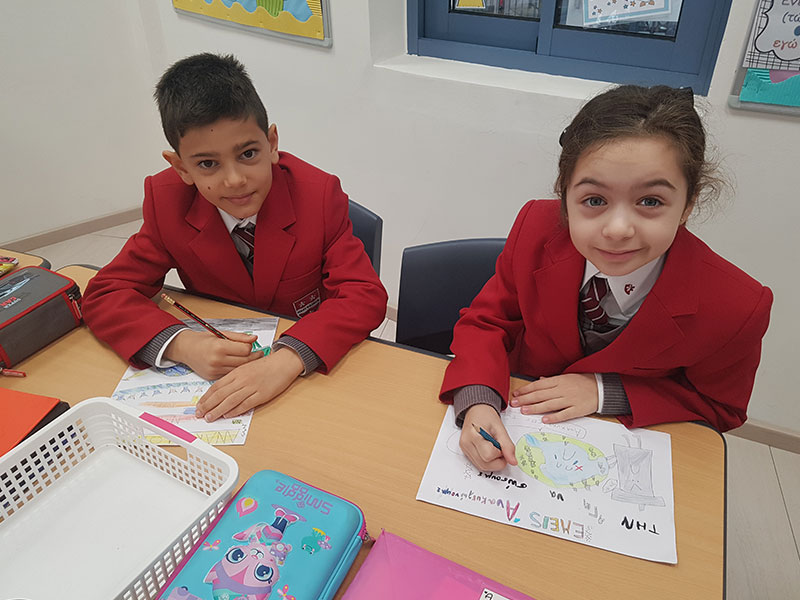
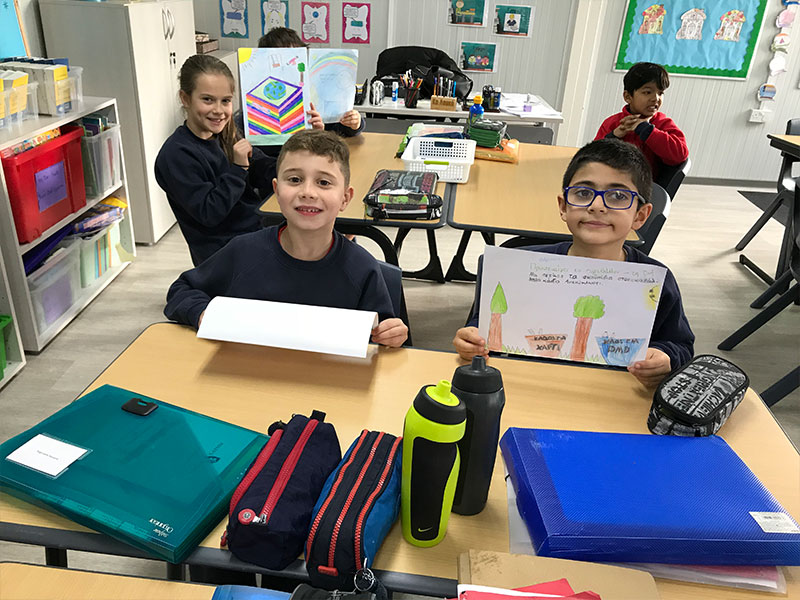
At Foley’s School, sustainability is not an isolated project — it is a whole-school culture, fully aligned with our Erasmus+ Accreditation Objective to promote Sustainable Education, environmental awareness, active citizenship and youth empowerment.
Our environmental work is guided by three interconnected pillars:
1. Eco-Schools Programme
2.Sustainable Erasmus+ Initiatives & Curricular Integrationn
3.Annual Whole-School Eco Action Plan
Through these pillars, pupils take the lead in shaping a greener school community using inquiry-based, experiential, action-focused and interdisciplinary learning.
Participation in International Environmental Programmes
Eco-Schools Cyprus
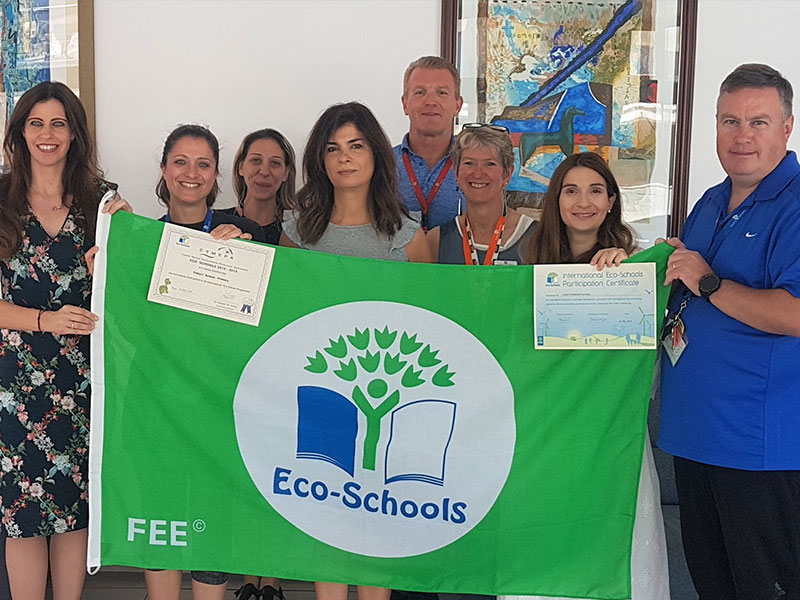
Foley’s participates in the Eco-Schools Programme for the seventh consecutive year, coordinated internationally by the Foundation for Environmental Education (FEE) and nationally by CYMEPA.
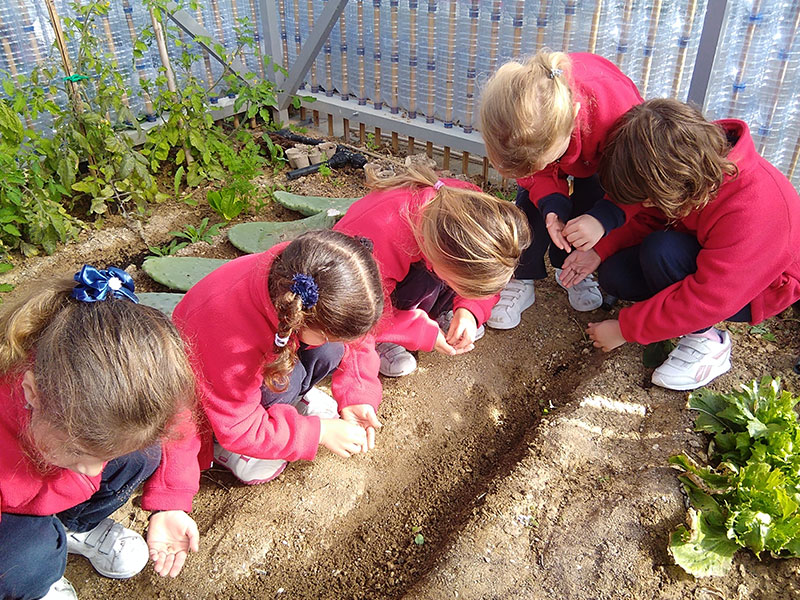
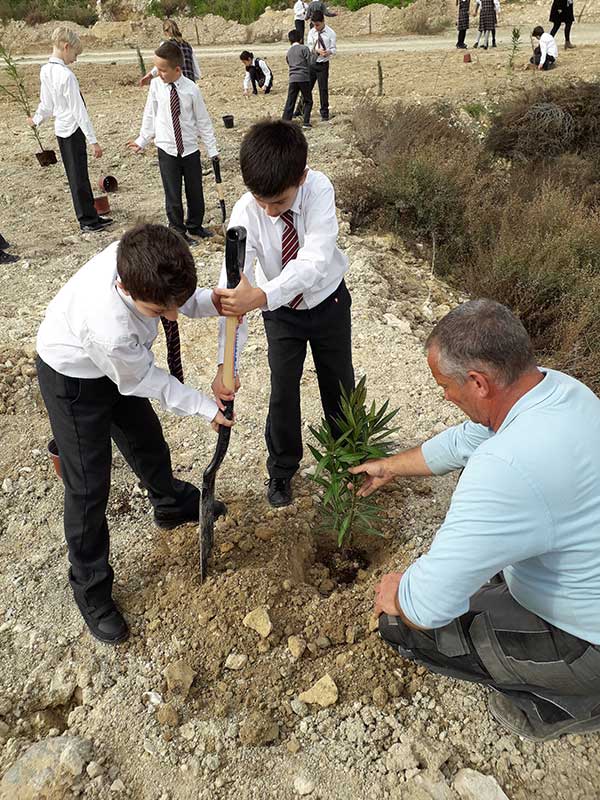
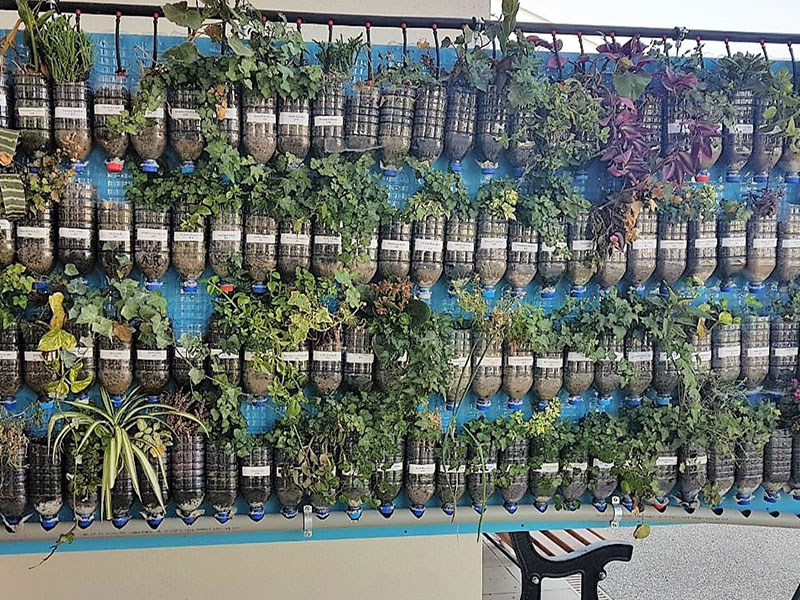
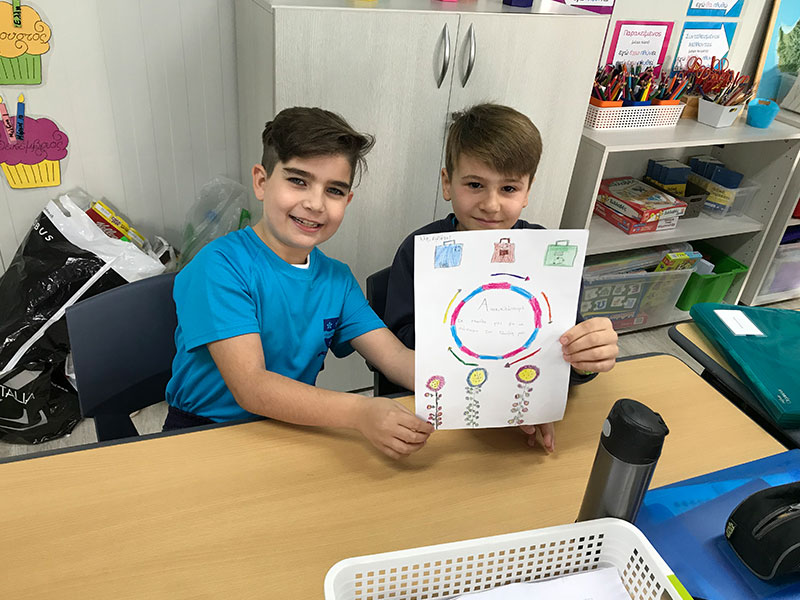
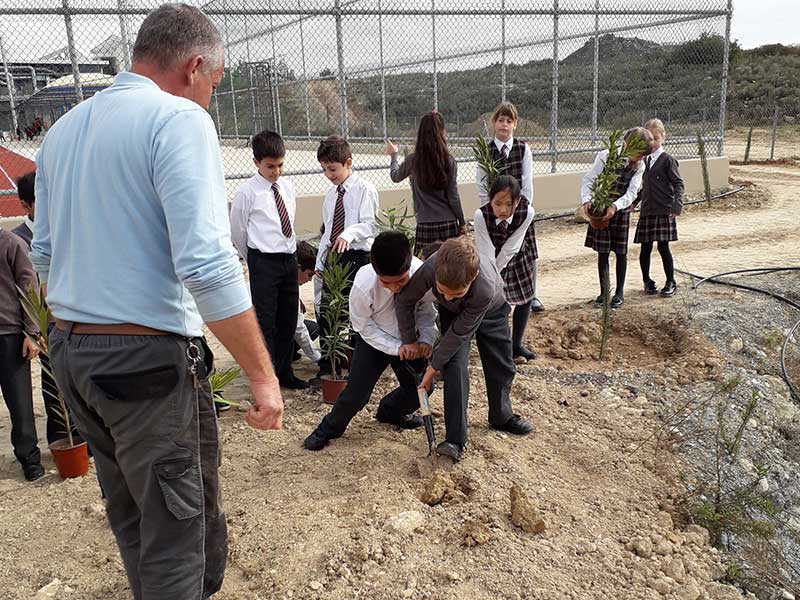
The programme empowers pupils to lead real environmental change, guiding school-wide decisions related to waste, energy, water, biodiversity and climate action.
Thanks to our continuous implementation of the Eco-Schools 7-Step Framework and our commitment to our school Eco-Code, Foley’s proudly earned the Green Flag Award twice, most recently in 2025.
ΚΟΜΠΟΣΤΟ Pancyprian Competition (Citizens in Power)
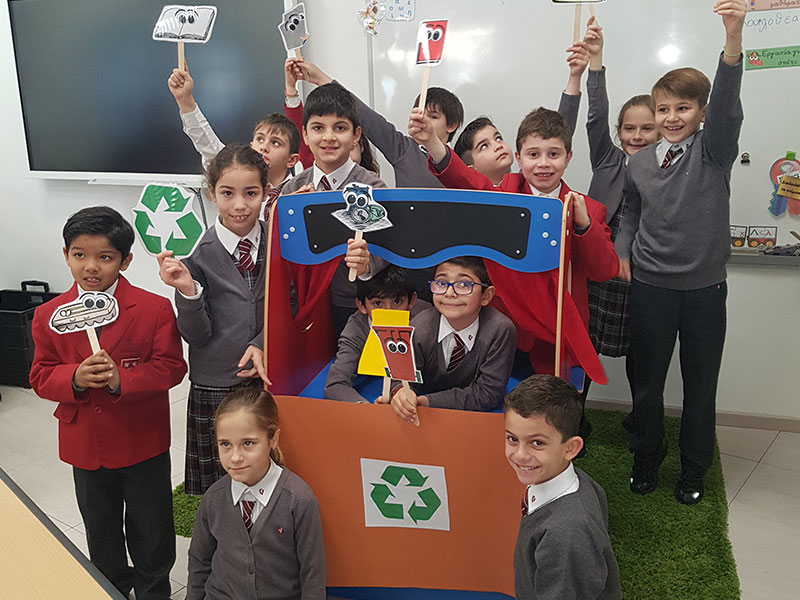
Our J3–F3 Eco Teams participate annually in the nationwide ΚΟΜΠΟΣΤΟ Composting Initiative, promoting organic waste management at home and school.
Foley’s has achieved Second Place for two consecutive years (2023-24 and 2024-25) thanks to successful composting practices, monitoring systems and pupil-led advocacy campaigns.
Erasmus+ Sustainability Objective
Through Erasmus+ projects and mobilities, sustainability is embedded across:
- Curriculum
- Pupil Leadership & Youth Participation
- Cross-border collaboration & cultural exchange
- Digital, outdoor, museum-based & experiential pedagogies
Sustainability threads are present in multiple Erasmus+ projects including TraCE (Experimental Archaeology), Math4Sustainability, Tech Explorers and Foley’s School Model European Council Conference.
Foley’s School Model European Council (FSMEC)
Shaping Tomorrow’s European Citizens
The Foley’s School Model European Council (FSMEC) is an annual academic simulation that brings together secondary school pupils from Cyprus and abroad to engage in high-level political debate, collaboration and decision-making at a European level. Inspired by the real work of the European Council, FSMEC offers students a unique opportunity to step into the shoes of EU Heads of State and Government, shaping policy proposals and negotiating solutions to contemporary challenges.
What Is the Model European Council?
The Model European Council is an educational simulation where pupils represent EU Member States, the European Commission, the Presidency of the Council and other essential roles. Delegates debate, negotiate and vote on policy issues aligned with current European priorities.
FSMEC follows the official rules, formats and procedures of the EU Council, ensuring authenticity while remaining accessible to young participants.
Each year, the conference focuses on a thematically relevant issue affecting the European Union. Debates incorporate real EU policy frameworks.
Educational Objectives
FSMEC has been carefully designed to support young people in developing the key competences highlighted by the European Parliament, Erasmus+ and 21st-century skills frameworks.
1.Policy Literacy & European Awareness
a. Develop a clear understanding of how EU institutions function.
b. Explore authentic European policies, legislation and negotiation processes.
c. Strengthen awareness of contemporary European and global issues.
2.Critical Thinking & Problem Solving
a. Analyse complex issues from multiple perspectives.
b. Formulate evidence-based proposals and justify positions.
c. Learn to negotiate trade-offs and compromise.
3.Public Speaking & Debate Skills
a. Develop confidence in delivering speeches, presenting arguments and responding to questions.
b. Strengthen rhetoric, diplomacy and persuasive communication.
4.Collaboration & Consensus Building
a. Work with delegates from different schools and cultural backgrounds.
b. Draft joint resolutions that reflect shared European values and democratic dialogue.
5.Active Citizenship
a. Promote democratic participation, responsibility and civic awareness.
b. Encourage young people to imagine their role as future European leaders.
Why Participate? Benefits for Schools and Delegates
For Delegates
- Authentic EU Experience: Gain first-hand insight into the political, economic and social challenges discussed in real European Councils.
- Leadership Development: Delegates take on demanding roles requiring goal-setting, negotiation and decision-making.
- Academic Enrichment: FSMEC complements subjects such as English, History, Politics, Economics, Geography and Global Perspectives.
- Recognition & Awards: FSMEC is a university-recognised debate and policy-simulation event, offering participants meaningful experience that is highly valued in future academic pathways, scholarship applications, university admissions, and professional development while participantsmay be nominated for awards.
- New Friendships & Networking – Engage with peers from multiple schools, including international delegations.
- A Pathway to Further Opportunities – Many pupils continue to Model UN, EYP, university-level debate competitions, political science studies or civic leadership.
For Schools
- High-quality academic enrichment aligned with the European Education Area.
- Strengthened cross-school collaboration and cultural exchange.
- A platform to showcase students’ academic excellence and leadership.
- Opportunities for joint projects, exchanges and Erasmus+ collaborations.
Participating Schools
FSMEC welcomes a diverse and growing network of schools from Cyprus and Europe.
Delegations typically include:
- Local private and public schools
- International schools
- Partner schools visiting through Erasmus+ student exchange programmes