Building a Sustainable Learning Community – Locally, Nationally & Across Europe
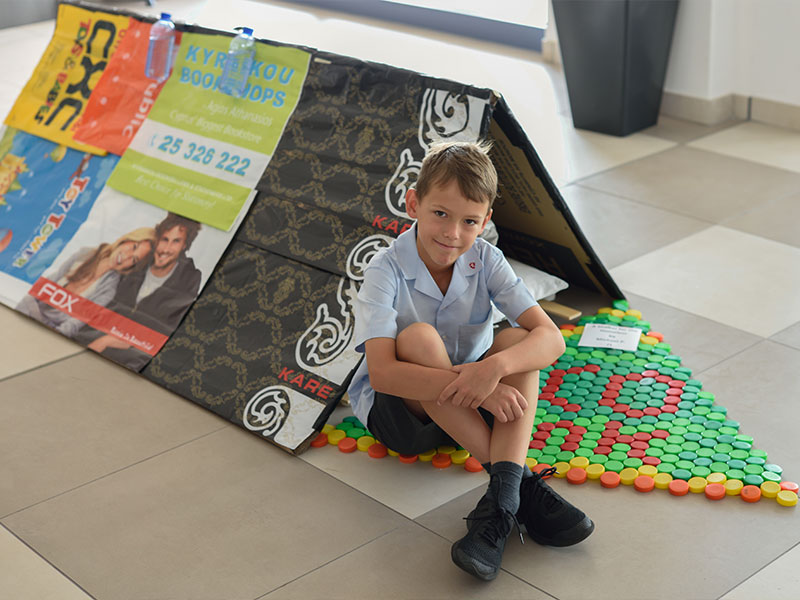
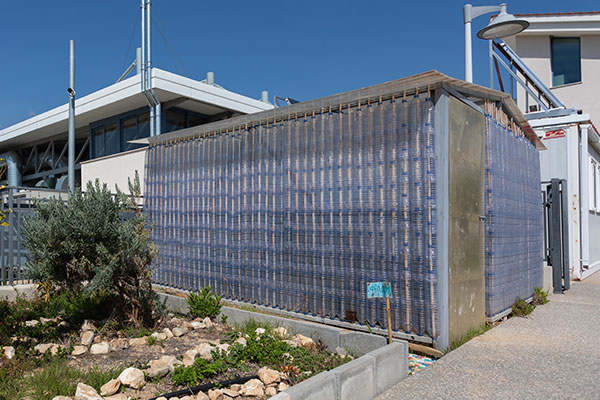
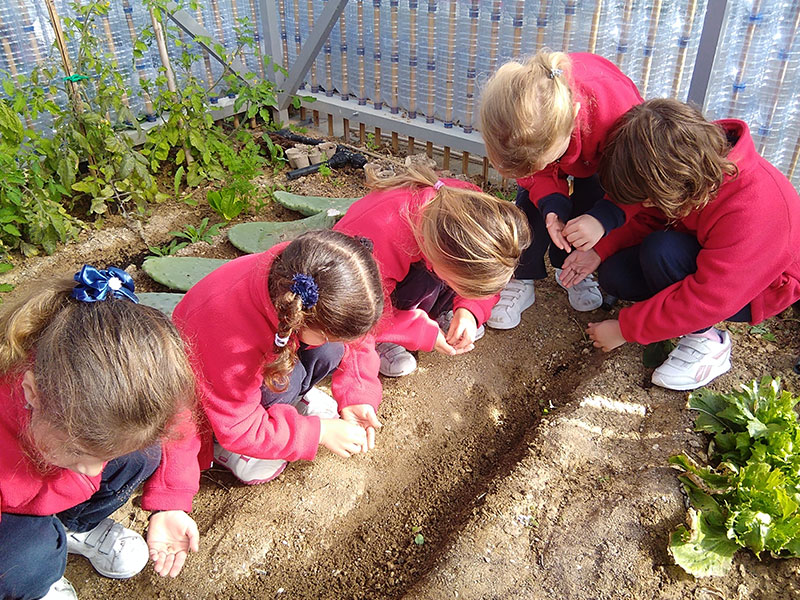
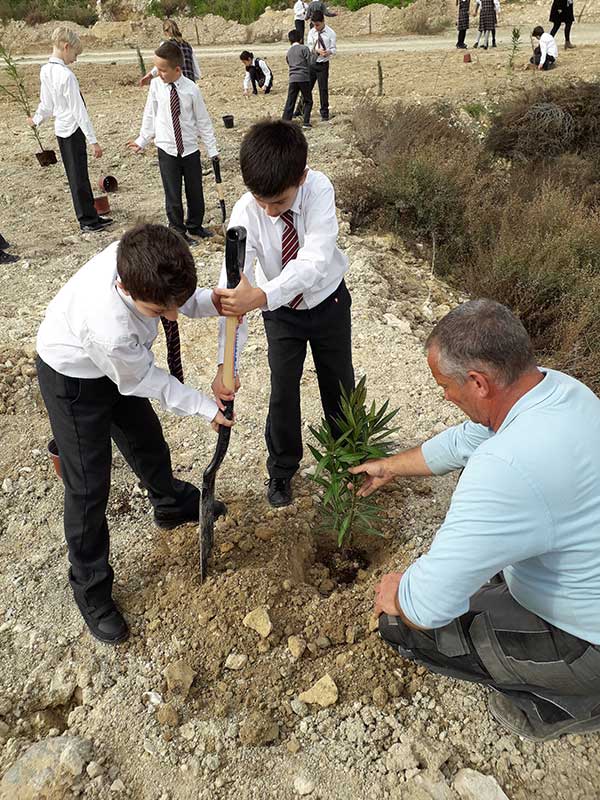
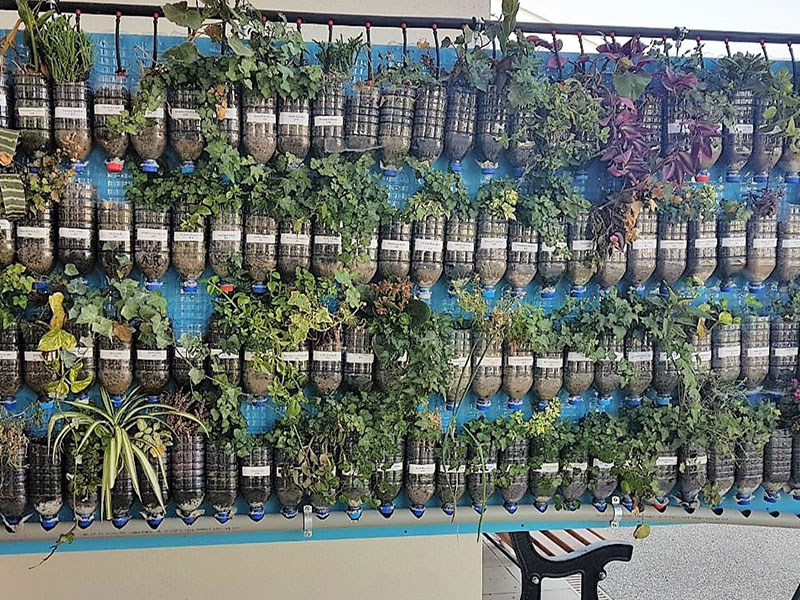
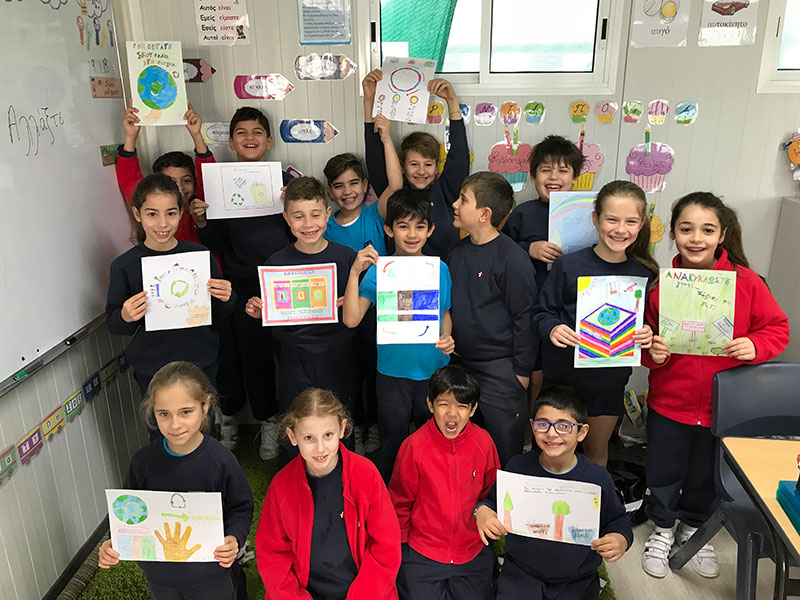
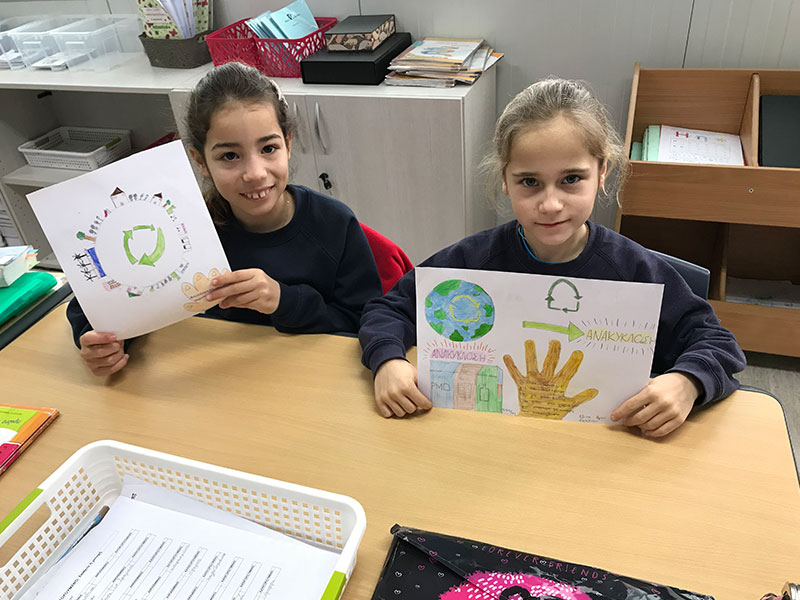
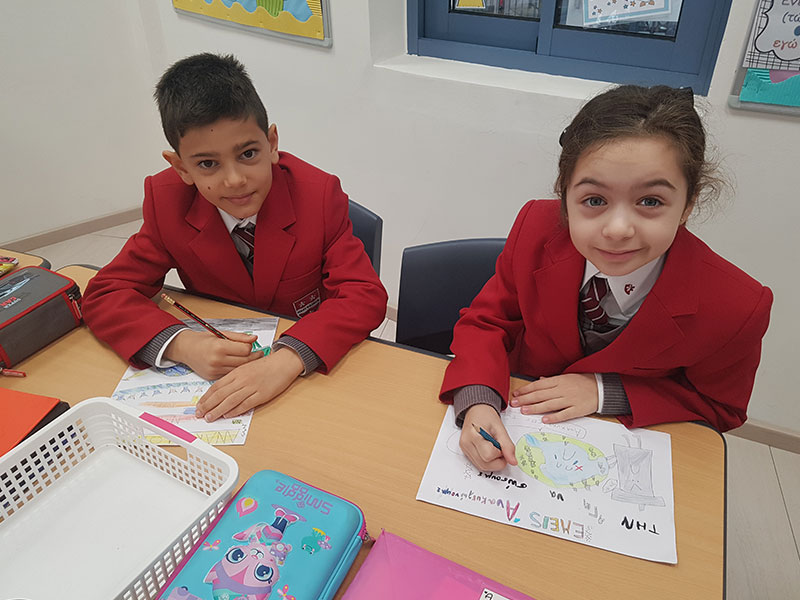
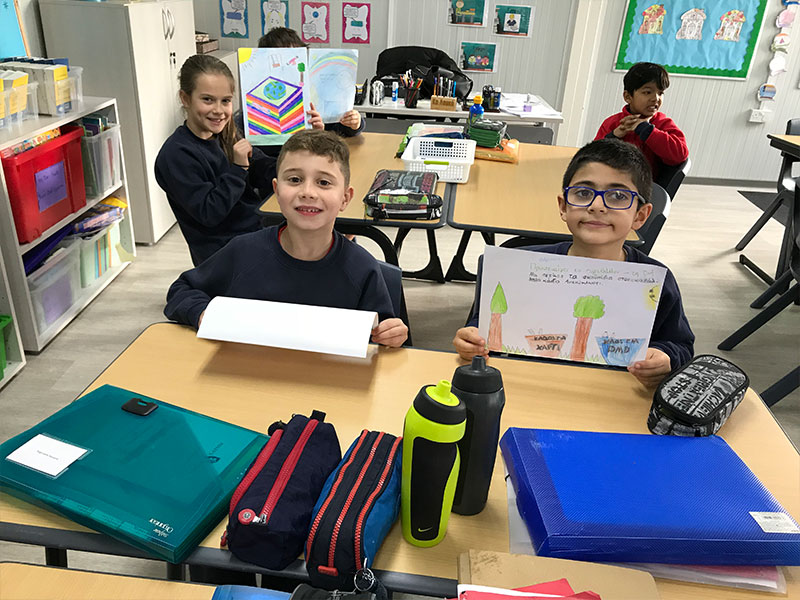
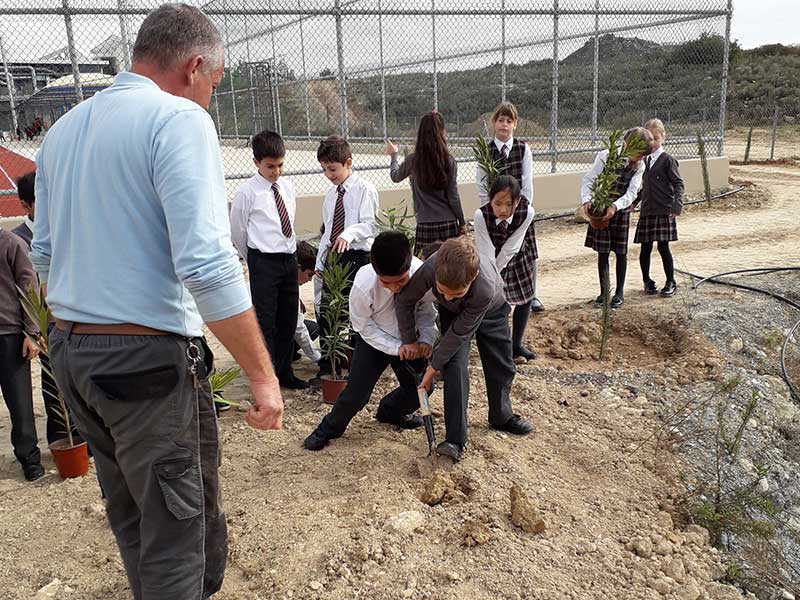
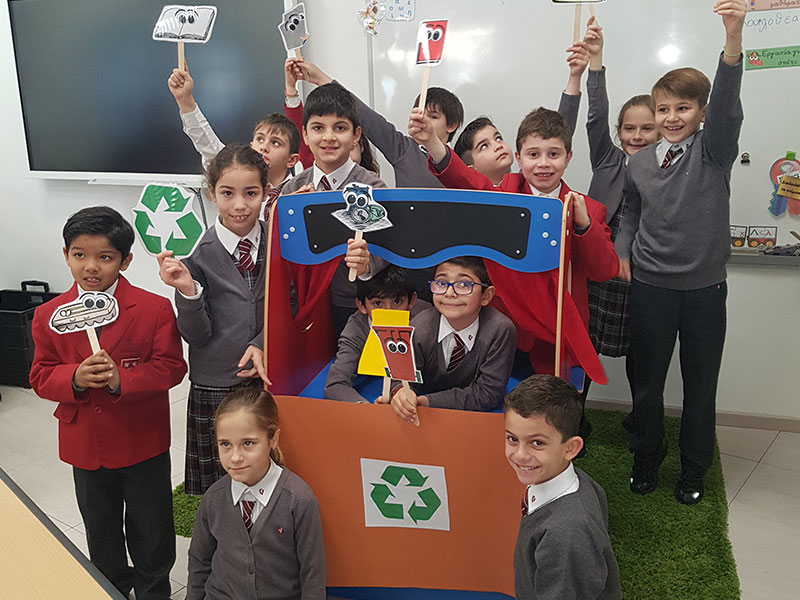
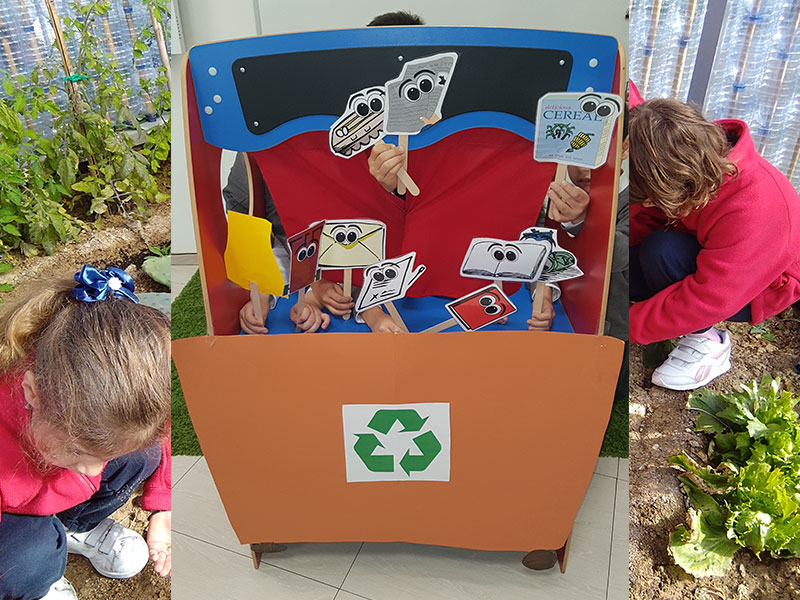
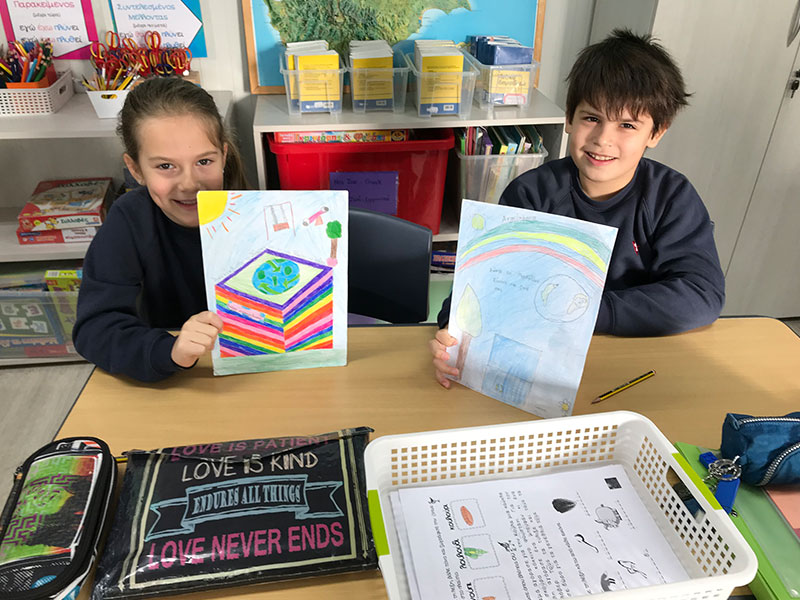
At Foley’s School, sustainability is not an isolated project — it is a whole-school culture, fully aligned with our Erasmus+ Accreditation Objective to promote Sustainable Education, environmental awareness, active citizenship and youth empowerment.
Our environmental work is guided by three interconnected pillars:
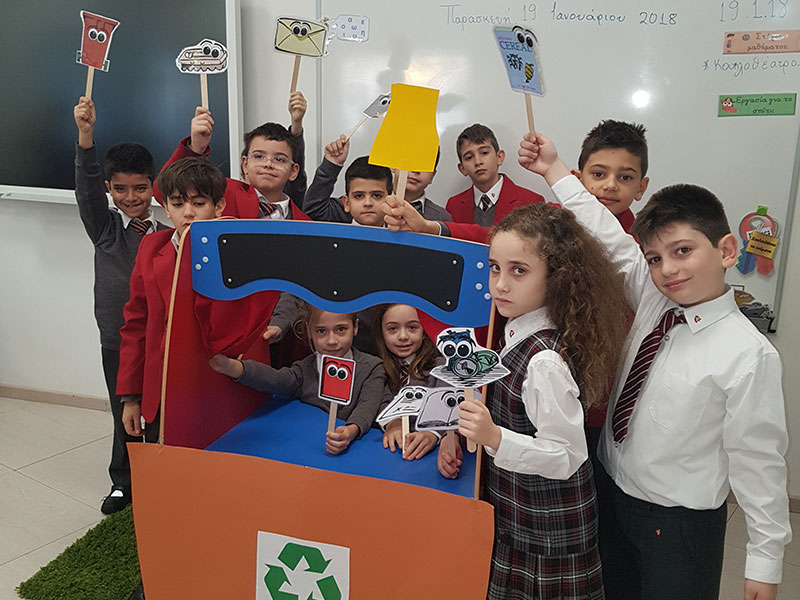
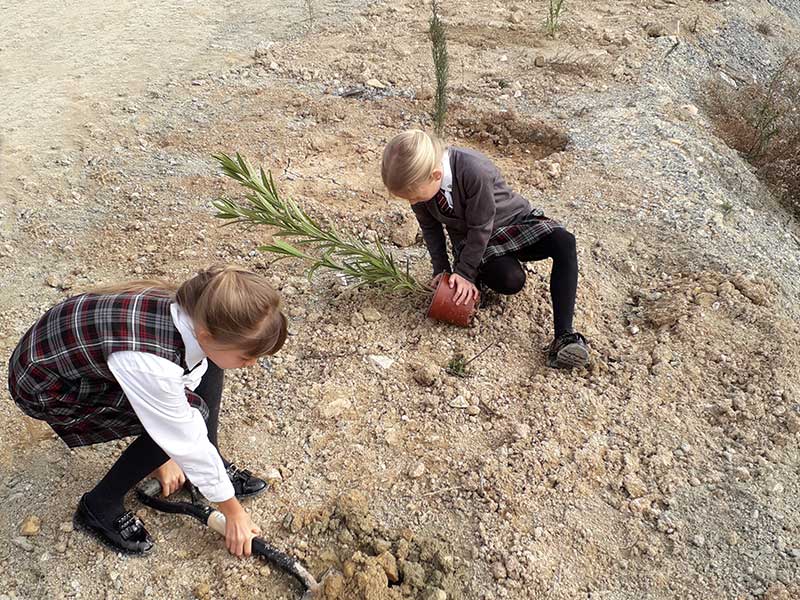
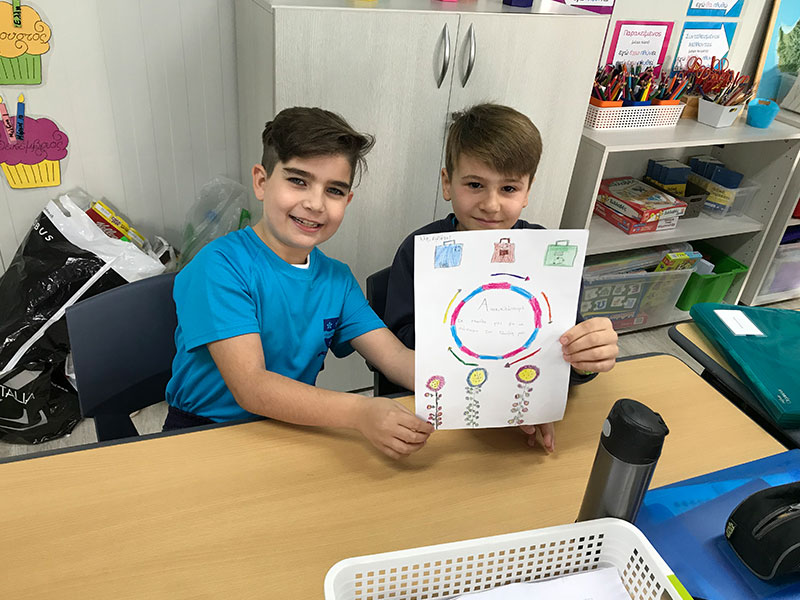
Through these pillars, pupils take the lead in shaping a greener school community using inquiry-based, experiential, action-focused and interdisciplinary learning.
Participation in International Environmental Programmes
Eco-Schools Cyprus
Foley’s School participated in the Eco-Schools Programme for the seventh consecutive year, coordinated internationally by the Foundation for Environmental Education (FEE) and nationally by CYMEPA.
The programme empowers pupils to lead real environmental change, guiding school-wide decisions related to waste, energy, water, biodiversity and climate action.
Thanks to our continuous implementation of the Eco-Schools 7-Step Framework and our commitment to our school Eco-Code, Foley’s School proudly earned the Green Flag Award twice, most recently in 2025.
ΚΟΜΠΟΣΤΟ Pancyprian Competition (Citizens in Power)
Our J3–F3 Eco Teams participate annually in the nationwide ΚΟΜΠΟΣΤΟ Composting Initiative, promoting organic waste management at home and school.
Foley’s School has achieved Second Place for two consecutive years (2023-24 and 2024-25) thanks to successful composting practices, monitoring systems and pupil-led advocacy campaigns.
Erasmus+ Sustainability Objective
Through Erasmus+ projects and mobilities, sustainability is embedded across:
Sustainability threads are present in multiple Erasmus+ projects including TraCE (Experimental Archaeology), Math4Sustainability, Tech Explorers and Foley’s School Model European Council Conference.
We use cookies on our website to give you the most relevant experience by remembering your preferences and repeat visits. By clicking “Accept All”, you consent to the use of ALL the cookies. However, you may visit "Cookie Settings" to provide a controlled consent.
This website uses cookies to improve your experience while you navigate through the website. Out of these, the cookies that are categorized as necessary are stored on your browser as they are essential for the working of basic functionalities of the website. We also use third-party cookies that help us analyze and understand how you use this website. These cookies will be stored in your browser only with your consent. You also have the option to opt-out of these cookies. But opting out of some of these cookies may affect your browsing experience.
Necessary cookies are absolutely essential for the website to function properly. These cookies ensure basic functionalities and security features of the website, anonymously.
Cookie
Duration
Description
cookielawinfo-checkbox-analytics
11 months
This cookie is set by GDPR Cookie Consent plugin. The cookie is used to store the user consent for the cookies in the category "Analytics".
cookielawinfo-checkbox-functional
11 months
The cookie is set by GDPR cookie consent to record the user consent for the cookies in the category "Functional".
cookielawinfo-checkbox-necessary
11 months
This cookie is set by GDPR Cookie Consent plugin. The cookies is used to store the user consent for the cookies in the category "Necessary".
cookielawinfo-checkbox-others
11 months
This cookie is set by GDPR Cookie Consent plugin. The cookie is used to store the user consent for the cookies in the category "Other.
cookielawinfo-checkbox-performance
11 months
This cookie is set by GDPR Cookie Consent plugin. The cookie is used to store the user consent for the cookies in the category "Performance".
viewed_cookie_policy
11 months
The cookie is set by the GDPR Cookie Consent plugin and is used to store whether or not user has consented to the use of cookies. It does not store any personal data.
Functional cookies help to perform certain functionalities like sharing the content of the website on social media platforms, collect feedbacks, and other third-party features.
Performance cookies are used to understand and analyze the key performance indexes of the website which helps in delivering a better user experience for the visitors.
Analytical cookies are used to understand how visitors interact with the website. These cookies help provide information on metrics the number of visitors, bounce rate, traffic source, etc.
Advertisement cookies are used to provide visitors with relevant ads and marketing campaigns. These cookies track visitors across websites and collect information to provide customized ads.